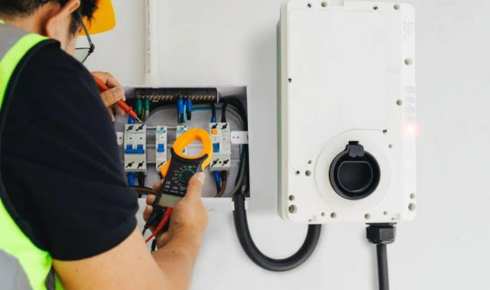
As the number of electric vehicle owners increases in Sydney, more people are beginning to realise that proper installation of the charger is equally dependent upon the electrical system of the house as it is on the actual charging equipment. Prior to installing an EV charger, Sydney homeowners have become aware of the fact that a competent electrician Sydney homeowners trust needs to check whether the switchboard, circuits, and electrical supply of the house are capable of handling the added load.
Many Sydney homes were built long before electric vehicles became part of everyday life. While some properties have undergone extensive renovations, the underlying electrical infrastructure may still have been designed for significantly lower energy demands. As households continue adopting electric vehicles, solar systems, battery storage, smart home technology, and high-powered appliances, ensuring the electrical system is prepared has become an essential part of the installation process.
An understanding of how electricians prepare homes for EV charger installation Sydney will help homeowners make an informed decision without unexpected difficulties. The following four factors can be considered by Sydney electricians when making assessments on EV charger installations: switchboard issues, insufficient capacity of circuit breakers, inadequate protection devices, and future energy needs.
Evaluating Electrical Capacity Before EV Charger Installation
One of the first and most important steps in preparing a home for EV charging is assessing whether the existing electrical system can safely support the additional load. Unlike many household appliances that operate intermittently throughout the day, EV chargers often draw a consistent electrical load for several hours. This sustained demand can place significant pressure on electrical systems, particularly in older Sydney homes where infrastructure may not have been designed with modern charging requirements in mind.
Before recommending installation, electricians typically conduct a detailed review of the property’s electrical capacity. This assessment involves much more than simply checking whether spare power is available.
Key evaluation areas commonly include:
- Existing electrical supply capacity
- Maximum demand calculations
- Current household energy usage
- Circuit loading levels
- Available switchboard capacity
- Future electrical requirements
- Single-phase or three-phase supply arrangements
Maximum demand calculations play a particularly important role because they help determine how the home performs during periods of peak electricity consumption. A property may operate normally under everyday conditions but approach capacity when multiple high-demand appliances are running simultaneously.
For example, a Sydney household operating ducted air conditioning, electric cooking appliances, pool equipment, and an EV charger at the same time may place considerably greater demands on the electrical system than originally anticipated.
Older suburbs in Sydney have homes that have been slowly increasing their electricity usage due to remodeling or upgrades to technological devices. These additions make life more comfortable but can cause more strain on the current infrastructure. The electrician assesses how the EV charger will affect the entire electrical system in the house to ensure it operates safely without interfering with any other circuits.
It’s just as critical in the planning for the future. People who are planning on having solar energy systems installed, battery storage options, house extensions, and even electric cars installed on their property may find that they gain a lot by having this information included in the initial assessment. The electrical system that is properly set up should cater not only to current but also future needs of the household. This will help minimise the risk of multiple upgrades in the future. It will allow more flexibility in adapting to changing energy requirements.
Assessing Switchboards, Circuits, and Electrical Protection
Once electrical capacity has been evaluated, attention turns to the switchboard and the protective systems that support safe operation. Many EV charger projects begin with a switchboard assessment because the switchboard determines whether dedicated charging circuits can be installed safely and effectively.
The switchboard acts as the central control point for electricity throughout the home. Every circuit, appliance, lighting system, and power outlet depends on it to distribute electricity correctly. Older switchboards may continue functioning adequately under normal household conditions but can present limitations when a new high-demand electrical load is introduced.
During an inspection, electricians commonly assess:
- Condition of switchboard components
- Available space for new circuits
- Existing circuit breaker capacity
- Safety switch coverage
- Circuit organisation and load balancing
- Evidence of overheating or deterioration
- Suitability of existing protection devices
A dedicated circuit is typically required for EV charging equipment. This means the charger operates independently from other household appliances, helping reduce the risk of circuit overload and improving reliability.
Electricians also review whether the property’s protective devices are appropriate for the proposed installation. Safety switches and circuit protection equipment play an important role in reducing risk and protecting both occupants and electrical infrastructure. In many cases, recommendations are based not on the age of the switchboard itself but on its condition, capacity, and suitability for current electrical requirements.
Several warning signs may indicate that further investigation is needed before installation proceeds:
- Frequent circuit breaker trips
- Flickering lights
- Intermittent power interruptions
- Burning smells near electrical equipment
- Buzzing sounds from the switchboard
- Visible corrosion or heat damage
Though these problems cannot be considered as sure signs of any electrical malfunctions, they still need to be evaluated before adding a new load to them. First of all, EV charger installation does not cause electrical problems; it just uncovers those that have been there from the beginning in your property. Knowing about them can help you have more safety and avoid further problems in the future. Knowing the condition of the switchboard is one of the most helpful things for Sydneysiders when preparing for electrical upgrades.
Planning for Long-Term EV Charging and Future Energy Needs
Preparing a home for EV charging involves more than accommodating today’s requirements. More and more electricians are treating charger installation as part of a bigger, long-term energy plan.
Many Sydney households are becoming more dependent on electricity than ever before. Electric vehicles, battery storage systems, solar technology, induction cooking, and smart home automation continue to increase overall electrical demand. As a result, future planning has become an essential part of the assessment process.
Electricians commonly discuss:
- Future electric vehicle ownership
- Additional charger requirements
- Planned solar installations
- Battery storage integration
- Renovation or extension projects
- Increased appliance usage
For example, a homeowner installing one EV charger today may need to support two electric vehicles within several years. Assessing future demand during the initial installation can help avoid unnecessary electrical modifications later.
Likewise, people looking at solar battery systems will gain more by considering infrastructure needs before they get too many upgrades. Location is yet another essential consideration. Electricians consider the practical, safe, accessible, and efficient location of the chargers.
Common considerations include:
- Vehicle parking arrangements
- Distance from the switchboard
- Cable routing requirements
- Weather exposure
- Future charging needs
- Property layout constraints
The place chosen can also affect installation difficulty and subsequent use of the equipment. This is because talking about future plans helps homeowners ensure that advice given on electricity use fits the intended changes.
Such an approach can help save money in the future and make the electrical network more flexible. Since Sydney is moving more towards the use of electricity in different spheres of life, long-term thinking is becoming more relevant. A well-prepared home can more easily adopt new technologies while maintaining safe and reliable operation. EV chargers are no longer seen as a separate project; they are now becoming an important part of a home’s overall energy plan.
In Brief
Safe EV charging begins long before the charger is installed. A successful installation depends on careful assessment of the property’s electrical infrastructure, including supply capacity, switchboard suitability, circuit loading, electrical protection, and future energy requirements. As electric vehicle adoption continues to grow throughout Sydney, homeowners are recognising the importance of understanding whether their existing electrical systems are prepared for long-term charging demands. Professional assessments help identify limitations early, improve safety, and support reliable charging performance.
Installation of the EV charger is a project on the electrical side, not a technological one alone. When capacity, protective measures, and future energy needs are considered during installation planning, Sydney homeowners will be able to develop an EV charging system that is safer, more efficient, and ready for the challenges of the modern world. A well-planned electrical system is essential for safe EV charging today and also provides an opportunity to meet future needs.