A refrigerator failing at home is annoying. A refrigerator failing in a busy restaurant, grocery store or commercial kitchen can be a very different story.
Within a surprisingly short time, temperatures can start climbing, food inventory may be put at risk, and staff suddenly have one more problem to deal with during an already hectic day. For businesses that depend on cold storage, refrigeration isn’t just another piece of equipment sitting in the back room. It’s part of the operation itself.
That’s why choosing the right equipment, installing it correctly and taking care of it over time matters so much. Commercial refrigeration isn’t something you want to think about only when there’s water on the floor and the freezer has stopped freezing.
A little planning upfront can go a long way.
Start With the Right Equipment
Not every refrigeration system is designed for every commercial environment. A small café may need an under-counter refrigerator and compact freezer, while a supermarket could require large display cases, walk-in coolers and specialized cold-storage systems.
The right choice depends on several things: the type and quantity of products being stored, available space, expected usage, ambient temperature and how often doors are opened.
A busy restaurant kitchen, for example, can be rough on refrigeration equipment. Doors open constantly. Warm food may be placed nearby. Staff are moving quickly and don’t always have time to baby the equipment.
This is where professional commercial refrigeration installation becomes important. Proper installation involves more than positioning a unit and plugging it in. Equipment needs adequate airflow, correct electrical connections, proper drainage and enough clearance for maintenance and ventilation.
An experienced installer will also consider how the equipment fits into the workflow. That’s a small detail, but it can matter every single day.
Installation Quality Affects Performance
Even high-quality refrigeration equipment can struggle if it isn’t installed properly.
Poor airflow around condenser components, incorrect leveling, inadequate drainage or unsuitable electrical connections can all contribute to performance issues. In some cases, a poor installation may even shorten the life of the equipment.
The first few days after installation are worth paying attention to. Is the unit maintaining the expected temperature? Are there unusual noises? Is condensation appearing where it shouldn’t?
It’s better to ask questions early than assume everything will sort itself out.
A professional should also explain basic operation and care. Staff need to know how the equipment is intended to be used, particularly when temperature-sensitive inventory is involved.
When Refrigeration Starts Acting Strange
Commercial refrigeration equipment often gives warning signs before it fails completely.
Maybe the compressor seems to run constantly. Perhaps the unit is struggling to reach its normal temperature. There could be excessive frost, water around the equipment or unusual clicking and humming sounds.
These symptoms shouldn’t automatically be ignored simply because the refrigerator is technically still working.
The problem could be something relatively simple, such as a damaged door gasket or dirty condenser coil. It could also indicate a more serious mechanical or electrical issue.
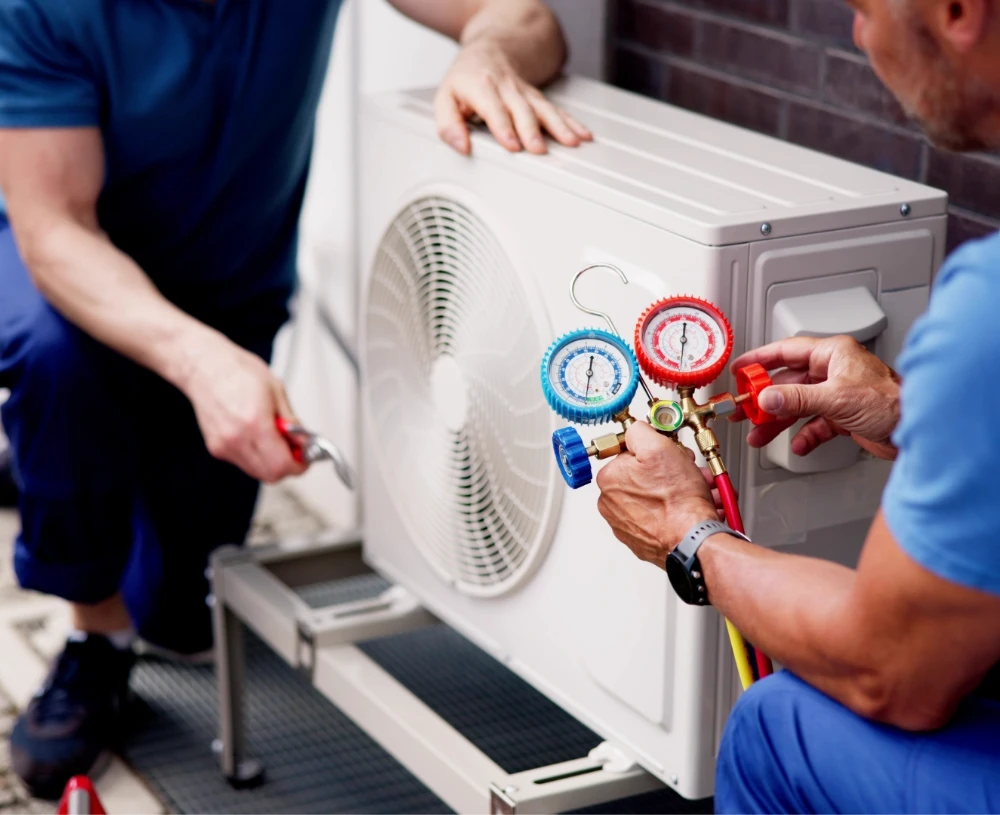
Calling for professional refrigeration repair services when symptoms first appear can help prevent a small problem from becoming a major breakdown. It also gives the technician a better chance of identifying the original cause before additional components are affected.
Don’t Forget the Door Seals
Door gaskets don’t receive much attention, but they’re important.
A damaged or poorly sealing gasket allows warm air into the refrigerated space. The system then has to work harder to maintain the desired temperature. Over time, that can increase energy consumption and place additional strain on components.
Staff can perform a quick visual check as part of their daily routine. Look for cracks, gaps or areas where the gasket has become loose.
It’s a simple habit. And sometimes simple habits are the ones that save the most trouble.
Cleanliness Matters More Than You Might Think
Commercial refrigeration systems need to stay reasonably clean, both inside and around mechanical components.
Dust and grease can accumulate around condenser coils, particularly in restaurant environments. Restricted airflow makes heat removal harder and can reduce system efficiency.
Interior cleaning is important as well. Spills should be dealt with promptly, and shelves shouldn’t be overloaded to the point that airflow inside the unit becomes restricted.
Of course, cleaning procedures should follow the equipment manufacturer’s recommendations and the business’s food-safety requirements.
Preventative Maintenance Protects Your Investment
Waiting for a refrigeration system to break down before calling a technician is an expensive way to manage equipment. Preventative maintenance provides a more controlled approach.
Routine inspections can help identify worn components, temperature problems, dirty coils, deteriorating seals and other developing issues. Technicians can also check operating conditions and make sure important components are functioning correctly.
The exact maintenance schedule depends on the equipment and the environment. A refrigerator in a quiet office doesn’t face the same demands as a freezer in a busy commercial kitchen.
For high-use equipment, regular servicing can help reduce unexpected downtime and make repair costs more predictable.
Energy Efficiency Is Worth Watching
Refrigeration equipment can operate for long hours, sometimes continuously. That makes energy efficiency particularly important for businesses trying to control operating costs.
Keeping condenser coils clean, maintaining door seals and ensuring proper airflow can help. So can replacing aging equipment when continued repairs no longer make financial sense.
It’s worth monitoring energy bills too. A sudden increase doesn’t necessarily mean refrigeration equipment is responsible, but it can be a useful clue if usage hasn’t otherwise changed.
Modern equipment may offer improved efficiency, but replacement should be considered carefully. Calculate the expected savings against purchase and installation costs rather than assuming a newer model automatically pays for itself.
Have a Plan for Breakdowns
Even well-maintained equipment can fail. Motors wear out. Electrical components stop working. Refrigerant-related problems happen.
Businesses should know who to call when that occurs.
Having a reliable refrigeration contractor before an emergency happens can save valuable time. Keep service information accessible and make sure employees know who is authorized to contact the technician.
It’s also sensible to understand what happens to temperature-sensitive inventory during a prolonged outage. A basic emergency plan can prevent confusion when everyone is already under pressure.
Repair or Replace?
Eventually, every refrigeration system reaches the end of its useful life.
Repeated repairs, rising energy consumption, obsolete components and poor overall performance can indicate that replacement is becoming the more sensible option.
That doesn’t mean an older unit should automatically be thrown away. A professional assessment can help compare the repair cost with the expected remaining lifespan and operating expenses.
Sometimes a relatively inexpensive repair is all that’s needed. Other times, continuing to repair an aging system is like patching the same leaky roof every few months.
Cold Storage Shouldn’t Be an Afterthought
Commercial refrigeration rarely gets much attention when it’s working properly. That’s actually a good thing.
The goal is dependable, consistent temperature control that protects inventory without constantly demanding attention from staff.
Choosing suitable equipment, having it professionally installed, responding quickly to warning signs and maintaining it regularly can make that reliability much easier to achieve.
No system lasts forever, and no maintenance plan can prevent every possible failure. But good care can reduce avoidable problems and give businesses more control over their equipment costs.
In the end, refrigeration is about more than keeping things cold. It’s about protecting products, supporting staff and keeping the doors open without an unnecessary equipment crisis waiting around the corner.
That’s worth taking seriously from day one.