A water softener isn’t exactly the kind of appliance people get excited about. It sits quietly in a utility room, basement, or garage, doing its job day after day. Most homeowners probably couldn’t tell you when it last regenerated — and that’s actually a good thing.
But eventually, you may notice something odd. The salt tank looks exactly as full as it did weeks ago. The water feels hard again. The system starts making sounds you haven’t heard before, or you spot a small puddle near the equipment.
These signs don’t automatically mean your water softener needs replacing. Quite often, the cause is something relatively simple. A setting may be wrong, salt may have formed a bridge, or a valve could need attention.
Knowing what to look for can help you decide whether you’re dealing with a quick fix or a problem that calls for professional service.
Start With the Salt Tank
If you have a traditional salt-based softener, the salt level is one of the easiest things to check.
A healthy system should use salt over time as it regenerates. If you notice the salt level not going down, don’t immediately assume the softener is broken.
There are several possible explanations.
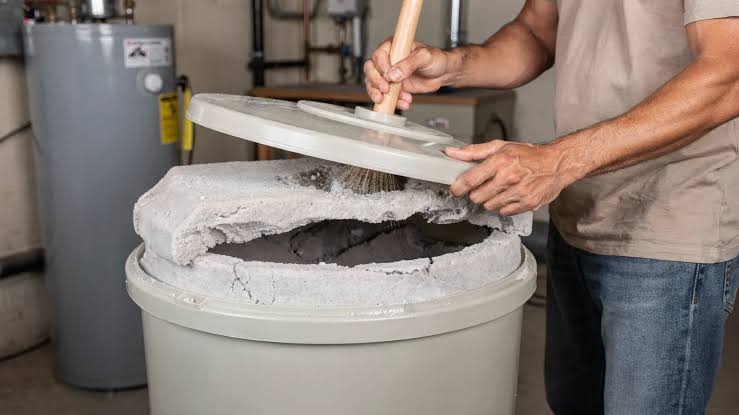
One common issue is a salt bridge. This happens when the salt forms a hardened layer inside the brine tank. From the outside, the tank may appear to have plenty of salt, but underneath that layer there may be an empty space.
In other cases, the system may simply not be regenerating as often as expected. Incorrect programming, low water usage, or a mechanical issue could all play a role.
Don’t aggressively break apart a salt bridge with sharp tools. You could damage the tank or components inside it. If you’re unsure, follow the manufacturer’s instructions or have the system inspected.
Check Whether Regeneration Is Happening
Regeneration is what allows a traditional softener to restore its ability to remove hardness minerals.
If the system isn’t regenerating, hard water can eventually make its way through the home.
A system not regenerating properly may have several causes. The control settings could be incorrect. The timer may have lost its programming after a power interruption. A valve could be malfunctioning, or the system may not be receiving enough water during the regeneration cycle.
Start with the control panel if your unit has one. Check the programmed time, hardness setting, and regeneration schedule.
If the system displays an error code, write it down before resetting anything. That information can be extremely useful if you need professional help.
Power Problems Can Be Easy to Miss
Some water softeners rely on electronic controls, so a power interruption can affect their settings.
If you’ve recently experienced an outage, check whether the display is active and whether the clock is correct.
Older systems may use mechanical timers, while newer models can have more sophisticated electronic controls. Either way, a simple power-related problem can sometimes look like a much bigger equipment failure.
If the system keeps losing power or the electrical connection appears damaged, don’t attempt electrical repairs yourself. Water and electricity aren’t a great combination for DIY experimentation.
Call a qualified technician when necessary.
Look for Leaks Around Connections
Water softeners are connected directly to your home’s plumbing, so leaks deserve attention.
Small drips can come from fittings, hoses, valves, or connections. Sometimes the cause is a loose fitting. Other times, a component may have cracked or deteriorated with age.
If you notice leaks or noisy equipment, take a moment to observe when the problem occurs.
Does the noise happen only during regeneration? Is the leak constant, or does it appear when the system is cycling?
Those details can help identify the source.
Don’t ignore a small leak simply because it isn’t causing much damage yet. Water has a way of turning tiny problems into expensive ones if they’re left alone for too long.
Strange Sounds Don’t Always Mean Disaster
Water softeners make some noise during normal operation.
You may hear water flowing, valves moving, or the system cycling through different stages during regeneration. That’s normal.
A sudden grinding, banging, rattling, or unusually loud humming is different.
If the sound is new, note when it happens. A noise during regeneration may point toward a valve or flow-related issue, while a constant sound could indicate something else entirely.
Avoid taking apart the control head unless you know exactly what you’re doing. Internal components can be sensitive, and incorrect reassembly may create additional problems.
Check the Water Before Blaming the Softener
If your water suddenly feels hard, the softener may be responsible — but it isn’t the only possibility.
Changes in incoming water hardness, unusual water usage, plumbing work, or another filtration component can influence what you notice at the tap.
Look for other signs of hardness, such as white spots on dishes, scale around faucets, or soap that doesn’t lather normally.
If several symptoms appear at once, consider testing the water. A test can confirm whether hardness has actually increased instead of relying entirely on how the water feels.
That distinction matters. You don’t want to spend money repairing a softener when the real issue is somewhere else.
Keep an Eye on Salt Consumption
Salt usage can tell you a surprising amount about system performance.
If the softener suddenly uses much more salt than usual, the regeneration settings may have changed. There could also be a problem causing unnecessary regeneration.
On the other hand, if salt usage drops dramatically and the water becomes hard, the system may not be regenerating correctly.
Keeping a simple note of how frequently you add salt can help establish a baseline. You don’t need a complicated spreadsheet. Just knowing roughly how long a bag normally lasts can make unusual changes easier to spot.
When Professional Help Makes Sense
Some troubleshooting steps are safe for homeowners, such as checking salt levels, reviewing settings, and looking for obvious leaks.
Other problems should be handled by a qualified technician.
Persistent leaks, electrical issues, damaged valves, repeated regeneration failures, and unexplained changes in water quality are good reasons to call for service.
A professional can test the system, inspect internal components, and determine whether repair makes sense or replacement is more practical.
Don’t assume an older system automatically needs to be replaced. Sometimes a relatively inexpensive component is the entire problem.
A Little Attention Can Prevent a Bigger Headache
Water softeners aren’t complicated once you understand the basics, but they do need occasional attention.
Watch the salt level. Pay attention to regeneration. Notice unusual noises or leaks. Keep track of maintenance and settings.
Most importantly, don’t ignore changes simply because the system still produces water.
The goal of troubleshooting isn’t to become a technician overnight. It’s to recognize the early clues and know when it’s time to stop guessing.
A well-maintained softener should mostly stay out of your way. And that’s exactly what you want — equipment quietly doing its job while you get on with everything else.